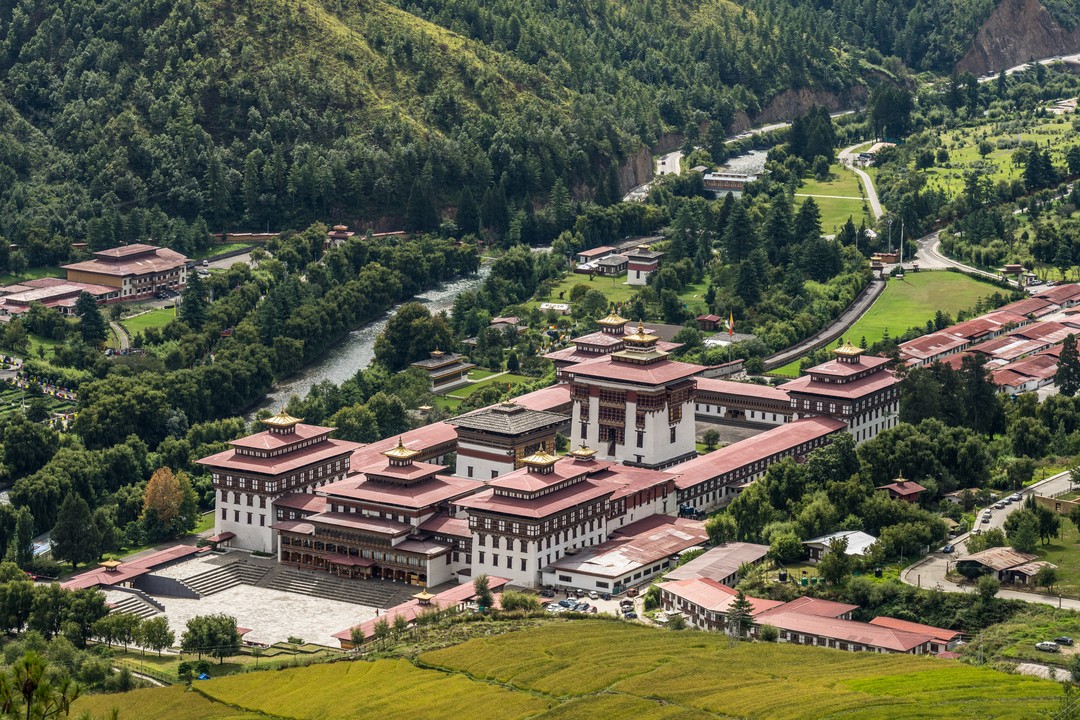
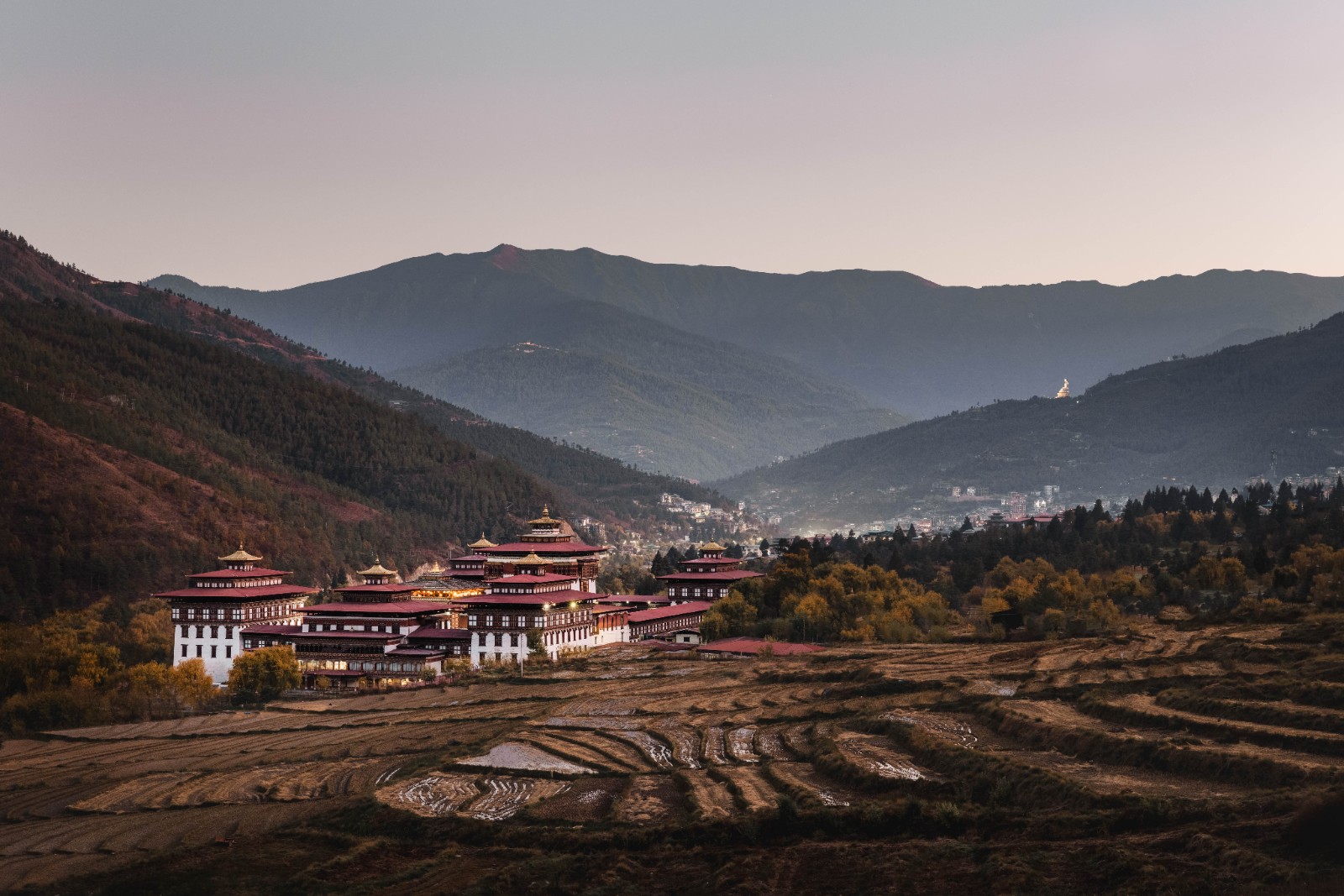
Thimphu is perhaps the only capital city in the world without traffic lights. But what makes it remarkable is not what it lacks but it is what it preserves. Here, modern cafes sit beside centuries old monasteries, and civil servants in national dress walk past prayer wheels on their way to work. Thimphu is where Bhutan negotiates its future without abandoning its past.
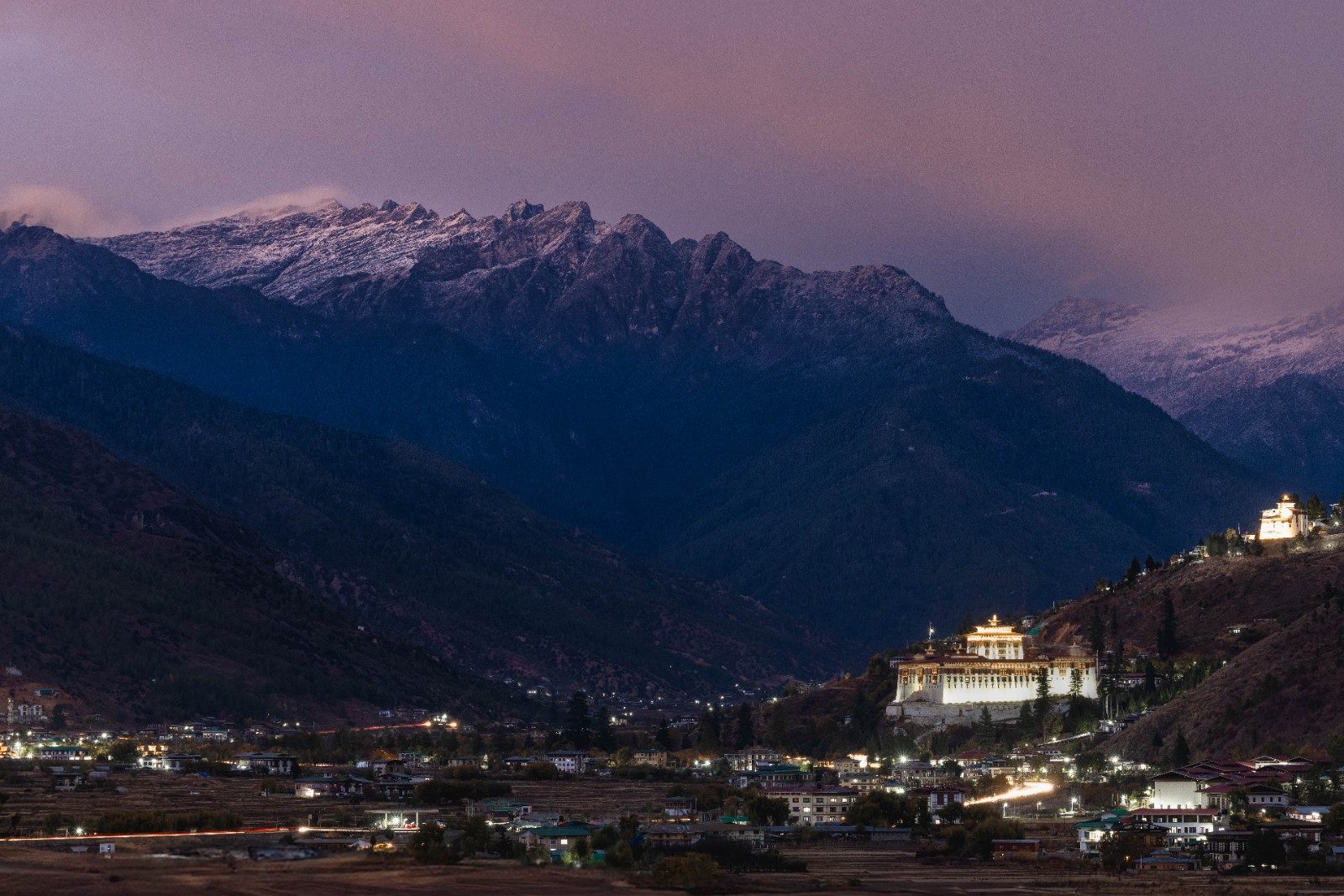
In Paro, time feels slower. The valley is unusually wide for the Himalayas, allowing sunlight to linger longer across fields and farmhouses. Many of Bhutan’s earliest temples were built here not by coincidence but because Paro was historically considered spiritually stable ground.
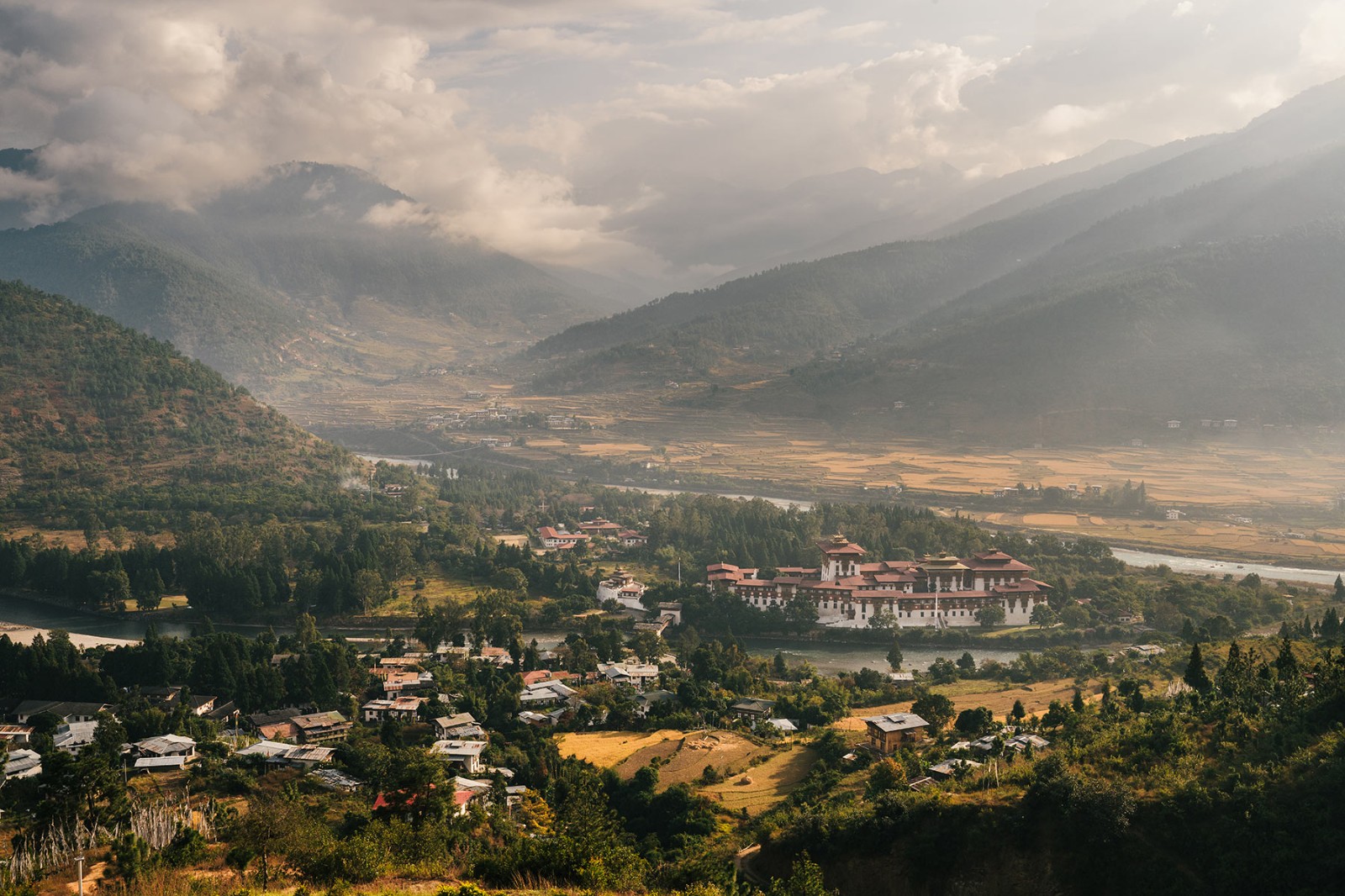
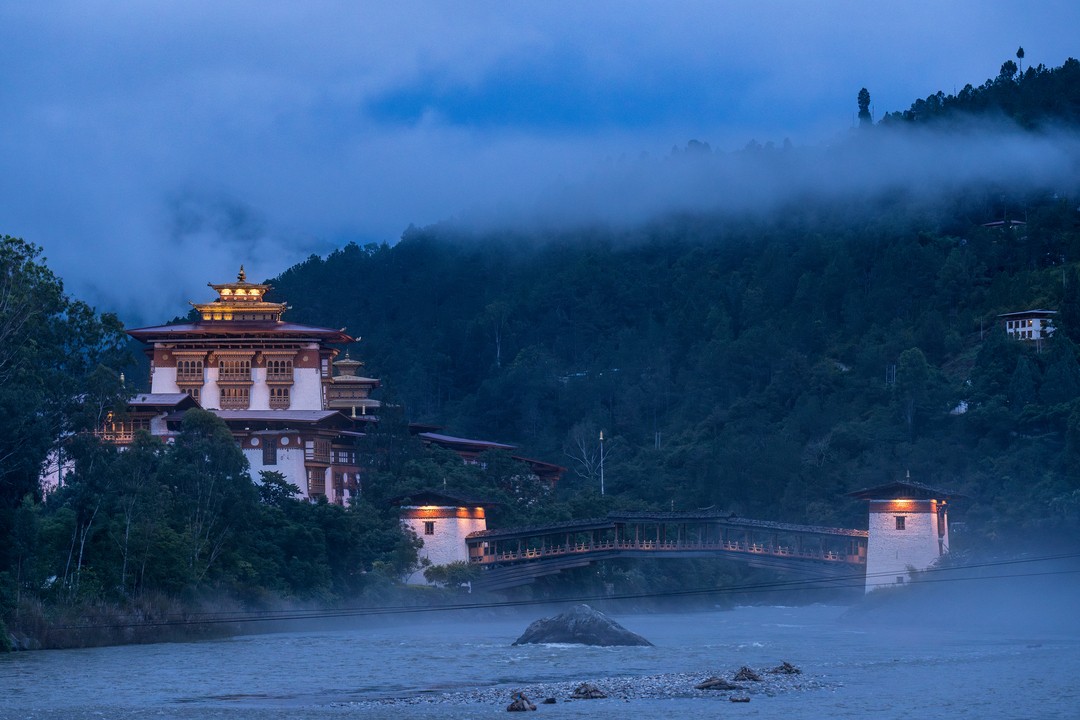
Further east, Punakha carries warmth both climatic and historical. Once the winter capital of Bhutan, it remains the symbolic heart of governance and continuity. Even today, the valley’s rivers are believed to represent harmony between strength and compassion.
In contrast, Phobjikha Valley feels almost untouched by time. With no traffic signals, no dense settlements, and vast open marshland, it becomes a seasonal sanctuary for the rare black necked cranes. Locals say the valley teaches visitors how to listen again to wind, silence, and distance.
Then there is Bumthang, often called Bhutan’s spiritual heartland. Not because it is dramatic but because it is gentle. Sacred sites appear here not as monuments but as part of everyday landscapes beside rivers, near farms, along quiet trails.
To travel through these valleys is not simply to move across Bhutan. It is to move through layers of its identity.